Find your own Swim Place
By wildswim at June 26, 2012 | 10:07 am | 1 Comments
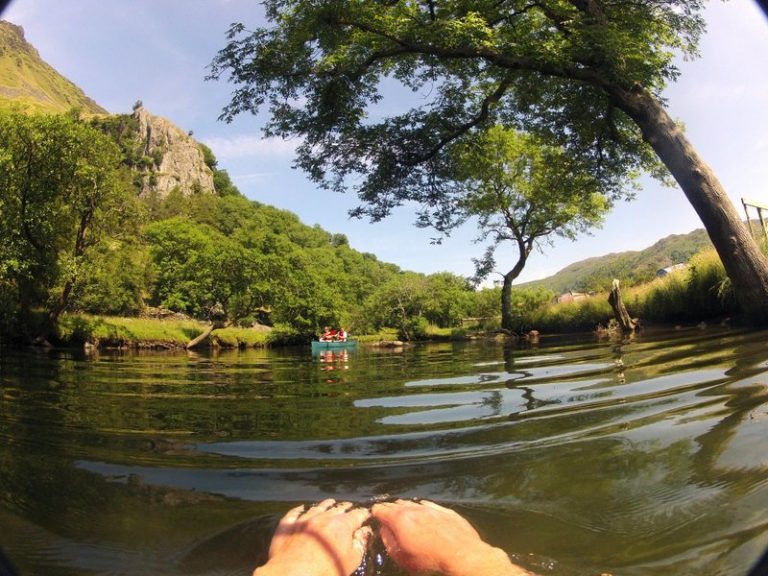
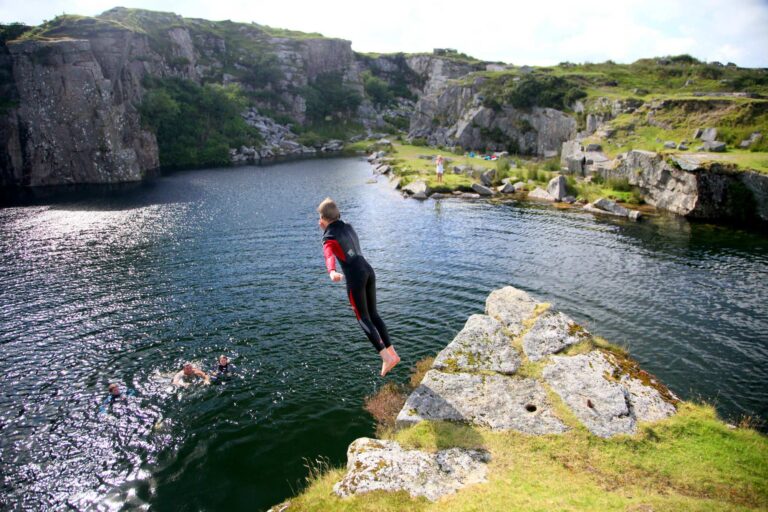
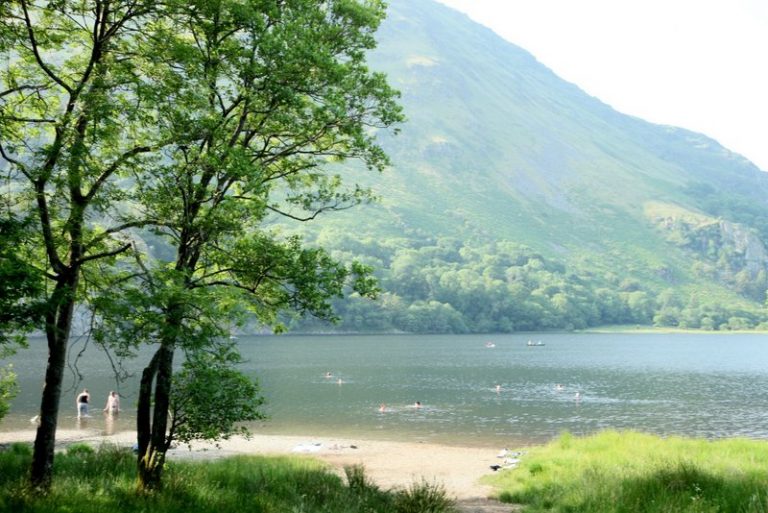
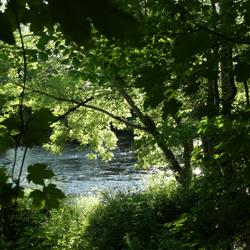
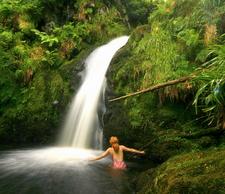
Britain is bubbling with glorious little river and lake swmiming holes, all of your own. They are there for the finding, but how to go about it? Ask around: some older folks may remember when a local river or lake was used for swimming in hot summers of the past. Younger people too often know a good place to jump in, go for a plunge or find that ubiquitous blue rope
Access and Law
By wildswim at June 22, 2012 | 9:26 am | 1 Comments
Staying Legal and Respecting Others Unlike other European countries, including Scotland, there is only an explicit legal right to access water in some English and Welsh rivers and lakes. In other places swimming rights are customary and based on longstanding tradition or established use. These places are often found where public rights of way, such as footpaths or
Getting Started
By wildswim at June 12, 2012 | 9:19 am | 4 Comments
A scorching hot summer’s day is a great time for swimming, and it can be exciting on rainy or cooler days too... What if the water is cold? Water temperatures can vary. Shallow lakes can get up to a blamy 25C in summer but mountain rivers may struggle to reach 20C. Much of the year outdoor waters are around 12C - 17C so the key is to arrive at the swimming hole so
Sea Safety
By wildswim at April 4, 2012 | 12:25 pm | 0 Comment
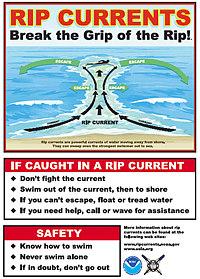
Escaping a rip is straightforward if you are a strong swimmer and remain calm. People drown from panic, followed by exhaustion, so never fight against the current. Keep an eye on a shore landmark to establish whether you are in a rip. If so, stand or wade if possible. If not, swim out of it at 90 degrees parallel to the beach for about 20m. Once out of the rip, head back
Find Guidebook Swim Places
By wildswim at April 4, 2012 | 10:49 am | 0 Comment
'Wild Swimming: 150 hidden dips' provides grid references, postcodes and direcions for 150 freshwater wild swimming spots in Britain. An additional 80 swims are also included with grid references only. (NB You can see if your favourite area is covered on the coverage map). There are three methods to find each location. 1) Directions: Follow the step-by-step
Quick Guide: Water Quality
By wildswim at April 4, 2012 | 9:51 am | 0 Comment
1) Identify the postcode of the area of the river where you would like to swim. (You can generate a postcode from an Ordnance Survey grid reference or long lat reference at Nearby.org.uk, or from a street address at Royal Mail. You can find the long lat reference from a location on Google Maps by right clicking and then chosing 'get directions from here'. The two 8
River Safety
By wildswim at April 3, 2012 | 2:09 pm | 5 Comments
Non-swimmers - Shallow water can deepen suddenly. If you, your children or your friends cannot swim make sure you scout out the extent of the shallows, set clear boundaries and keep constant supervision. Remember that even shallow sections of fast-flowing water can knock you off your feet. Be careful with inflatables, which can create a false sense of security and float
History of Wild Swimming
By wildswim at April 3, 2012 | 1:35 pm | 0 Comment
wild-swimming (vb.): 1. Swimming in natural waters such as rivers, lakes and waterfalls. Often associated with picnics and summer holidays. 2. Dipping or plunging in secret or hidden places, sometimes in wilderness areas. Associated with skinny-dipping or naked swimming, often with romantic connotations. 3. Action of swimming wildly such as jumping or diving from